
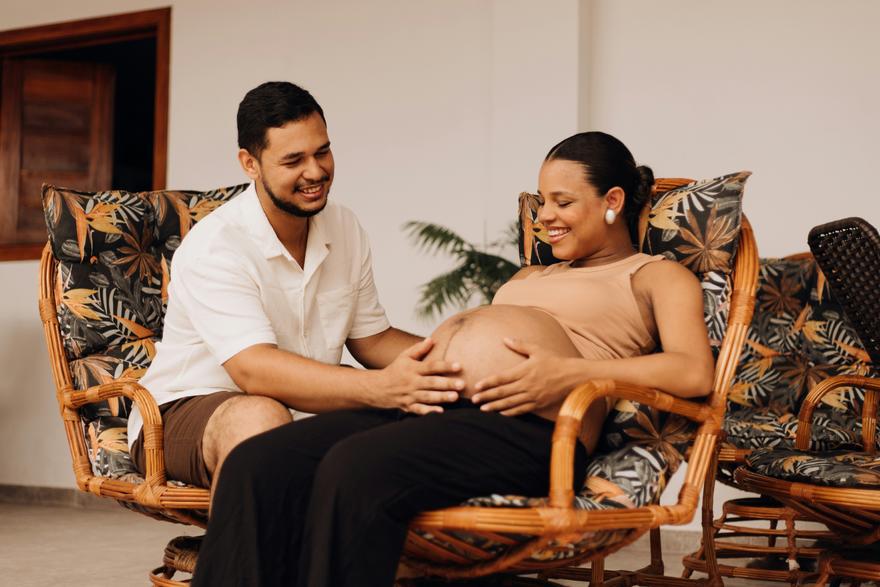
Pregnancy is a time of enormous change. Your body is working hard, your nervous system may feel more sensitive, and even simple discomforts can feel more intense. Many pregnant patients look for gentle, natural support for nausea, back pain, hip pain, headaches, stress, fatigue, sleep problems, and general tension.
Acupuncture can be a helpful part of pregnancy care when performed by a properly trained licensed acupuncturist. Many pregnant patients safely receive acupuncture throughout pregnancy for comfort, relaxation, and support as the body changes.
At The Great Turning Acupuncture, pregnancy treatments are gentle, individualized, and adjusted for each stage of pregnancy. The goal is not to “force” the body to do anything. The goal is to support comfort, regulation, and well-being while respecting both the patient and the pregnancy.
From Trying to Conceive to Staying Supported During Pregnancy
Many patients first come to acupuncture while trying to conceive, whether naturally or with fertility support such as IUI or IVF. Once pregnancy happens, it is natural to wonder, “Should I stop acupuncture now?”
In many cases, the same kind of care that helped prepare the body for pregnancy may also help support the body after conception. Acupuncture during the early weeks of pregnancy may focus on calming the nervous system, supporting circulation, easing nausea, reducing stress, improving sleep, and helping the body adjust to hormonal changes.
The treatment approach changes once a patient is pregnant. The goal is no longer fertility support in the same way; the goal becomes gentle pregnancy support. A trained acupuncturist modifies point selection, needling technique, positioning, and treatment goals to match the stage of pregnancy.
In simple terms: acupuncture does not have to stop just because you get pregnant. With proper training and pregnancy-informed care, it can become part of supporting a healthy, comfortable pregnancy.
Potential Benefits of Acupuncture During Pregnancy
Many pregnant patients seek acupuncture because they want support that is gentle, individualized, and drug-free when appropriate. Acupuncture may help support:
- Nausea and morning sickness
- Fatigue
- Stress and anxiety
- Headaches and neck tension
- Low back pain
- Hip and pelvic discomfort
- Sleep difficulties
- Nervous system regulation
- General aches and tension
- Labor preparation in the later stages of pregnancy
Acupuncture care during pregnancy is not just about one symptom. A trained acupuncturist looks at the whole person: sleep, digestion, pain, stress, mood, energy, circulation, and the stage of pregnancy.
A pregnant patient is not just a tight hip, a painful back, or a trigger point. She is a whole person experiencing major physical, hormonal, and emotional changes. Good care should respect that.
Why Training Matters in Pregnancy
Acupuncture is often gentle, but it is still a skilled needling technique. Safe treatment depends on knowing anatomy, point location, needle depth, angle, stimulation, pregnancy precautions, and the patient’s full health picture.
Some acupuncture points are traditionally used with caution during pregnancy. These are sometimes called “forbidden points,” but that phrase can sound more frightening than helpful. A better way to understand them is this:
These are points that require professional judgment.
They are not automatically “bad” points. Some may be avoided in early pregnancy. Some may be used later in pregnancy or around labor preparation when appropriate. What matters is the timing, the reason for using the point, the patient’s condition, and the technique used.
For example, points such as LI4, SP6, BL60, GB21, and points on the lower abdomen or sacrum are often treated with caution during pregnancy. A trained acupuncturist understands when these points should be avoided, when they may be appropriate, and how to use safe technique if they are clinically indicated.
Safe acupuncture is not just about memorizing a list of points. It requires training, experience, and judgment.
Commonly Used Acupuncture Points During Pregnancy
Acupuncture treatment during pregnancy is always individualized. A licensed acupuncturist does not choose points from a fixed recipe. Points are selected based on the patient’s symptoms, stage of pregnancy, constitution, comfort, and medical history.
That said, several points are commonly used in pregnancy care when appropriate.
PC6 — Nei Guan
This point is located on the inner forearm and is commonly used for nausea, morning sickness, anxiety, and an unsettled stomach. Many patients also recognize this area from motion-sickness wristbands.
ST36 — Zu San Li
This point is located below the knee and is often used to support energy, digestion, nausea, fatigue, and general strength.
Yin Tang
This point is located between the eyebrows and is often used to calm the mind, support relaxation, ease stress, and help with sleep.
KD3 — Tai Xi
This point is located near the inner ankle and may be used to support low back discomfort, fatigue, and constitutional support during pregnancy.
These points are not a substitute for individualized care. The safest question is not, “Which point is good for pregnancy?” but “Which point is appropriate for this patient, at this stage, with this technique?”
Where Dry Needling Fits Into the Conversation
Because pregnancy often brings back pain, hip pain, pelvic tension, and muscle tightness, many patients may also hear about dry needling from physical therapists or other providers.
Dry needling is commonly described as a technique for muscles, trigger points, tight bands, or pain. It may be presented differently from acupuncture, and the treatment goal may be more focused on a specific muscle.
But from a safety perspective, dry needling still involves inserting thin needles into the body.
That is why pregnancy patients should feel comfortable asking questions before receiving any needle-based treatment. The question is not only, “Is this called acupuncture or dry needling?” The more important question is:
Who is doing the needling, and what training do they have for pregnancy?
Needling during pregnancy requires more than knowing where a muscle hurts. It requires understanding pregnancy precautions, anatomy, contraindications, safe depth and angle, clean needle technique, and how to care for the whole pregnant person.
This does not mean patients need to be afraid. It means they deserve informed, careful care.
Possible Side Effects and Adverse Reactions
Most acupuncture side effects are mild and temporary. Some patients feel deeply relaxed after treatment. Others may feel a little tired, emotional, or sensitive for a short time as the body responds.
Common mild reactions may include:
- Temporary soreness
- Minor bleeding or bruising
- Lightheadedness or dizziness
- Feeling faint
- Drowsiness or deep relaxation
- Temporary fatigue
- Mild nausea
- Local tenderness or aching
- Temporary increase in symptoms before improvement
These reactions are usually short-lived. A trained practitioner helps reduce risk through proper positioning, gentle technique, clean needle practice, appropriate point selection, and checking in during treatment.
Rare but more serious risks can happen when needling is performed improperly, including infection, nerve irritation, puncture injury, or pneumothorax, which is a collapsed lung. These risks are uncommon, but they are one reason training and anatomy knowledge are so important.
During pregnancy, contact your OB, midwife, or healthcare provider right away if you experience unusual bleeding, strong cramping, contractions, severe pain, fainting, fluid leakage, fever, or decreased fetal movement later in pregnancy.
About Beata Maslanka, L.OM
Beata Maslanka is a licensed acupuncturist with 20 years of clinical experience. Over the course of her career, she has supported many patients through fertility care, pregnancy, postpartum recovery, pain, stress, and the physical and emotional changes that come with trying to conceive, becoming pregnant, and preparing for birth.
While practicing at Six Fishes Healing Arts in Philadelphia, Beata worked with patients seeking support for fertility, pregnancy-related discomfort, stress, pain, and overall wellbeing. Earlier in her career, while living and practicing in Dublin, much of her clinical work focused on fertility and pregnancy care, deepening her experience in this area.
Although The Great Turning Acupuncture currently offers whole-person care for stress, pain, men’s health, and general wellness, Beata’s long clinical background in fertility and pregnancy continues to be an important part of the practice. Many long-standing patients still seek her care during fertility treatment, pregnancy, and postpartum transitions.
Her approach is gentle, individualized, and rooted in the understanding that fertility and pregnancy care are never one-size-fits-all. Every treatment is adjusted to the patient’s stage of care, health history, symptoms, and comfort level.
Common Questions Pregnant Patients Ask
Is acupuncture safe during pregnancy?
Acupuncture is commonly used during pregnancy and is generally considered safe when performed by a properly trained licensed acupuncturist. Every pregnancy is different, so care should always be individualized. If your pregnancy is high-risk or you have medical complications, speak with your OB or midwife before beginning treatment.
Can I continue acupuncture if I was already receiving it for fertility?
In many cases, yes. Many patients continue care after a positive pregnancy test, but the treatment changes. Once pregnancy is confirmed, acupuncture should be adjusted to support early pregnancy rather than fertility stimulation. Your practitioner should know you are pregnant right away so treatment can be modified appropriately.
Can acupuncture cause miscarriage or early labor?
This is a very common concern. Acupuncture should never be used carelessly during pregnancy. A trained pregnancy-informed acupuncturist understands which points and techniques require caution, which areas to avoid, and how treatment changes depending on the stage of pregnancy.
The goal of pregnancy acupuncture is not to overstimulate the body. The goal is gentle, appropriate support.
When can I start acupuncture?
Some patients begin in the first trimester for nausea, fatigue, headaches, or stress. Others begin later for back pain, hip pain, pelvic discomfort, sleep, or labor preparation. The right timing depends on your symptoms, your pregnancy, and your health history.
Is dry needling the same as acupuncture?
Dry needling and acupuncture may be explained differently, but both involve inserting thin needles into the body. Dry needling is often focused on muscles and trigger points. Acupuncture is part of a broader system of care that considers the whole person, including pregnancy stage, symptoms, constitution, and contraindications.
For pregnancy patients, the most important issue is the provider’s training in safe needling and pregnancy care.
What should I ask before receiving acupuncture or dry needling while pregnant?
Ask about licensing, needling training, pregnancy experience, sterile single-use needles, safe positioning, and whether the provider is treating only the painful area or considering the whole pregnancy.
A good practitioner should welcome these questions.
Final Thought
The goal of this conversation is not fear. The goal is informed, confident care.
Acupuncture can be a gentle and supportive therapy during pregnancy when it is performed by a properly trained licensed acupuncturist. Safe needling depends on the right training, thoughtful point selection, appropriate technique, and respect for the whole pregnant person.
If you are pregnant and considering acupuncture, dry needling, or any needle-based therapy, ask about the provider’s education, licensing, and experience with pregnancy. You deserve care that supports your comfort while respecting your body, your baby, and your peace of mind.
Medical Disclaimer: This article is for educational purposes only and does not replace medical care from your OB, midwife, or healthcare provider. If you are pregnant, high-risk, or experiencing symptoms such as bleeding, cramping, contractions, severe pain, fluid leakage, fever, fainting, or decreased fetal movement, contact your medical provider right away.