Gout from the Perspective of Chinese Medicine
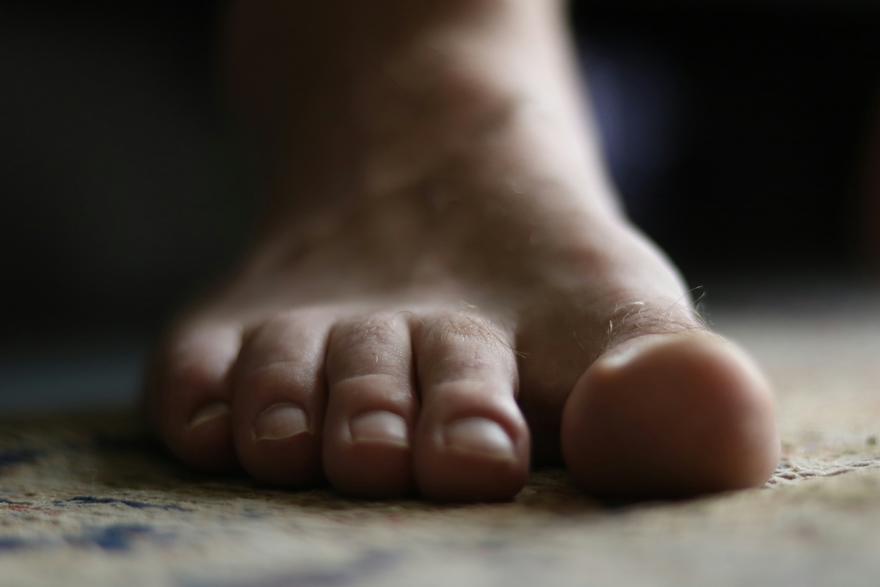
Gout can feel like the body suddenly catches fire in one joint.
For many people, it starts in the big toe: sharp pain, swelling, redness, heat, and tenderness so intense that even a bedsheet can feel uncomfortable.
From a Western medical perspective, gout is a type of inflammatory arthritis caused by high levels of urate in the body. Over time, urate can form needle-shaped crystals in and around the joints, creating painful flares that often last one to two weeks. Gout commonly begins in the big toe or lower limb.
Chinese medicine looks at gout through a different lens. Instead of focusing only on the painful joint, we ask:
What kind of internal environment allowed this inflammation, swelling, and pain to develop?
The Chinese Medicine View: Dampness, Heat, and Blockage
In Traditional Chinese Medicine, gout is often understood through patterns such as Damp-Heat, Phlegm-Heat, Wind-Damp-Heat, or Bi Syndrome.
These words may sound unusual, so let’s translate them into plain language.
Dampness means the body is not transforming and moving fluids efficiently. It may show up as swelling, heaviness, puffiness, sluggish digestion, loose stools, weight gain, brain fog, or a feeling of being “stuck.”
Heat means inflammation, redness, burning pain, irritability, thirst, strong odor, or acute flare-ups.
Damp-Heat means there is both swelling/fluid congestion and inflammation. This is one of the most common Chinese medicine patterns we think about when a joint is red, hot, swollen, and very painful.
Phlegm in Chinese medicine does not only mean mucus in the lungs. It can also refer to thickened, stubborn accumulation in the body — things that feel lodged, dense, chronic, or difficult to clear.
Bi Syndrome means painful obstruction. In simple terms, Qi and Blood are not moving freely through the channels and joints. When movement is blocked, pain appears.
The American Dragon material on gout lists several TCM patterns, including Wind-Cold-Damp Bi, Wind-Damp-Heat with Blood Stasis, Damp-Heat, Phlegm-Heat, and deficiency-related patterns. This is important because Chinese medicine does not see all gout cases as exactly the same.
Why the Big Toe?
Many gout attacks begin in the big toe. In Chinese medicine, the toes and feet are crossed by several important acupuncture channels, including the Spleen, Liver, Stomach, Kidney, and Gallbladder channels.
The big toe area is especially connected with the Spleen and Liver channels. When Dampness, Heat, or stagnation settles in the lower body, the toes, feet, ankles, and knees may become places where pain and swelling show up.
This does not mean the problem is “only in the toe.” The toe may simply be where a deeper metabolic and inflammatory imbalance becomes visible.
Acute Gout: When the Joint Is Red, Hot, and Angry
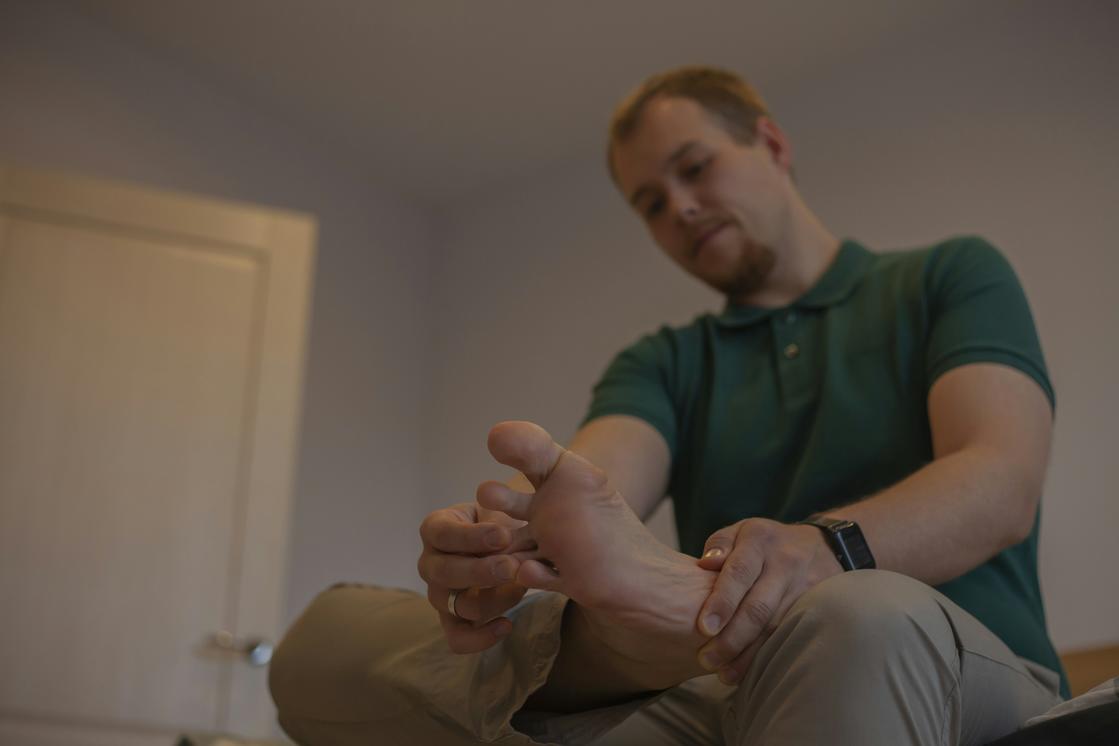
During an acute flare, the joint may be hot, red, swollen, and extremely painful. In Chinese medicine language, this often looks like Damp-Heat obstructing the channels.
The treatment principle may include:
Clear Heat — calm inflammation and burning pain.
Drain Dampness — reduce swelling and fluid congestion.
Move Qi and Blood — improve circulation and reduce blockage.
Unblock the channels — help reduce pain and restore movement.
Acupuncture treatment during a flare is usually gentle and strategic. Needles do not always need to be placed directly into the painful toe. Often, distal points — points farther away from the painful joint — are used to influence pain, inflammation, circulation, and the affected channel.
Chronic Gout: Why Does It Keep Coming Back?
If gout keeps returning, Chinese medicine asks a deeper question:
Why does this person keep creating Damp-Heat, stagnation, or inflammatory buildup?
For one person, gout may be related to rich food, alcohol, sugar, stress, overeating, and heat signs. For another person, the flare may happen on top of a weaker foundation: poor digestion, fatigue, loose stools, low back weakness, aging, kidney stress, or long-term depletion.
This is why Chinese medicine treatment is individualized. Two people can both have gout, but they may not receive the same acupuncture treatment or the same herbal formula.
The Role of the Spleen and Kidneys in Chinese Medicine
In Chinese medicine, the Spleen is responsible for transforming food and fluids into usable energy. When the Spleen is weak, fluids may not be processed well. This can create Dampness.
A person with Spleen-related Dampness may experience:
fatigue
bloating
loose stools
heaviness
fluid retention
sugar cravings
brain fog
swelling or puffiness
The Kidneys in Chinese medicine relate to deeper constitutional strength, aging, bones, joints, the lower back, knees, and fluid regulation. This does not mean the same thing as a Western medical kidney diagnosis, but there is an interesting overlap: Western medicine also recognizes that gout is connected to urate metabolism and kidney elimination. Urate normally leaves the body through urine, and long-term gout management often involves addressing high urate levels.
So from both perspectives, gout is not just a joint problem. It is connected to metabolism, inflammation, fluid regulation, elimination, diet, and long-term health.
Chinese Herbal Medicine for Gout Patterns
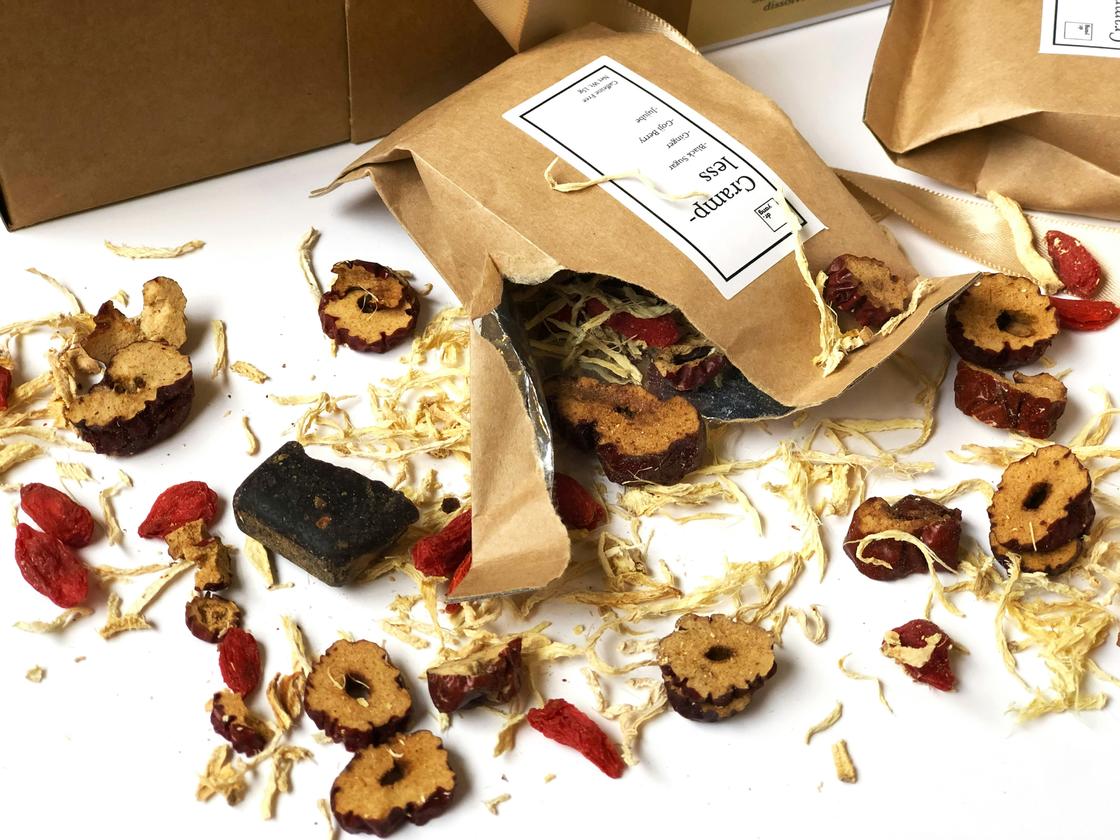
Chinese herbal medicine can be an important part of a TCM approach to gout, but it must be used carefully and individually.
There is no single “gout formula” that is right for everyone.
A trained Chinese herbalist looks at the whole pattern: the joint symptoms, digestion, sleep, temperature, energy, urination, thirst, tongue, pulse, medications, medical history, and whether the condition is acute or chronic.
For example:
A person with a red, hot, swollen, painful joint may need a formula strategy that clears Heat, drains Dampness, and reduces obstruction.
A person with chronic swelling, heaviness, and sluggish digestion may need more support for the Spleen’s transformation of fluids.
A person with long-term joint issues, low back weakness, fatigue, or aging-related depletion may need a formula that addresses both the acute inflammation and the deeper constitutional weakness.
A person with fixed, stabbing, chronic joint pain may also have Blood Stasis, meaning circulation is impaired, and pain has become more lodged or persistent.
How Chinese Herbal Formulas Are Built
Chinese herbal formulas are usually not random collections of herbs. Traditionally, they are structured with different roles:
Chief herbs address the main pattern.
Deputy herbs support the chief herbs and treat secondary symptoms.
Assistants reduce side effects, harmonize the formula, or address complications.
Envoy herbs guide the formula to a specific area of the body or help the herbs work together.
This is one reason Chinese herbal medicine is highly individualized. The same base formula may be modified depending on the person.
For example, if two people both have gout in the big toe, one may need more Heat-clearing support, while another may need more Dampness-draining support. If digestion is weak, the formula may need to protect the Spleen. If there is severe pain, herbs that move Blood or unblock the channels may be considered. If there are signs of deeper deficiency, the formula may need to support the body without trapping the acute inflammation inside.
This is also why self-prescribing herbs from the internet is not ideal. Herbs can interact with medications, may not be appropriate for kidney disease or other health conditions, and quality control matters. The National Center for Complementary and Integrative Health emphasizes that complementary health products, including herbal products, should be considered in the context of safety, quality, and whole-person care.
Diet Matters — But It Is Not About Shame
In Chinese medicine, food is medicine, but food is not morality.
Gout is not about blaming the patient. It is about understanding what increases inflammation, Dampness, and metabolic burden.
Foods and habits that may contribute to Damp-Heat include:
rich, greasy, fried foods
excess alcohol
too much sugar
heavy late-night eating
overeating meat or very rich foods
highly processed foods
chronic stress and lack of sleep
Western medical guidance also commonly includes lifestyle and diet changes as part of gout care, especially reducing triggers and managing high urate levels. NIAMS notes that managing hyperuricemia — high urate — is a key part of treating gout and preventing future flares.
From a Chinese medicine perspective, the goal is to reduce the internal conditions that keep creating Dampness, Heat, and obstruction.
What Acupuncture May Support
Acupuncture treatment for gout is individualized. Depending on the pattern, treatment may focus on:
reducing pain
calming inflammation
supporting circulation
clearing Damp-Heat
supporting digestion and fluid metabolism
reducing stress
addressing constitutional weakness
helping prevent recurring patterns
For acute severe gout, acupuncture and herbs should not replace medical care. Gout may require lab testing, medication, and ongoing management, especially if flares are frequent or if there are kidney, cardiovascular, or metabolic concerns. Untreated or poorly managed gout can lead to more frequent flares, tophi, joint damage, and kidney-related complications.
A Whole-Person Approach
The strength of Chinese medicine is that it does not only ask, “Which joint hurts?”
It asks:
How is your digestion?
How is your sleep?
Are you under stress?
Do you feel hot or cold?
Is there swelling or heaviness?
Are you fatigued?
Do you have low back or knee weakness?
What foods trigger you?
How often do flares happen?
What is your recovery like between attacks?
Are you taking medications?
Do you have kidney, heart, blood sugar, or blood pressure concerns?
This bigger picture helps create a more personalized treatment plan.
Final Thought
Gout may show up as a painful toe, ankle, knee, or other joint, but from a Chinese medicine perspective, it is often a sign that the body’s internal terrain needs attention.
The goal is not only to calm the flare. The deeper goal is to reduce the conditions that allow the flare to return: Dampness, Heat, Phlegm, stagnation, and underlying weakness.
With proper medical care, lifestyle support, acupuncture, and carefully prescribed Chinese herbal formulas, gout can often be approached in a more complete and individualized way — not only at the level of the joint, but at the level of the whole person.
Clinic Closing
At The Great Turning Acupuncture, treatment is personalized to your pattern, lifestyle, and health history. If you are dealing with recurring joint pain, inflammation, or gout flares, acupuncture and Chinese medicine may be a helpful part of your care plan alongside your medical provider.